Piercings are a beautiful form of self-expression that have been practiced for thousands of years across different cultures. Whether you're considering your first piercing or looking to add to your collection, this comprehensive guide will help you make informed decisions about piercing types, aftercare, and jewelry selection.
Popular Piercing Types
Ear Piercings
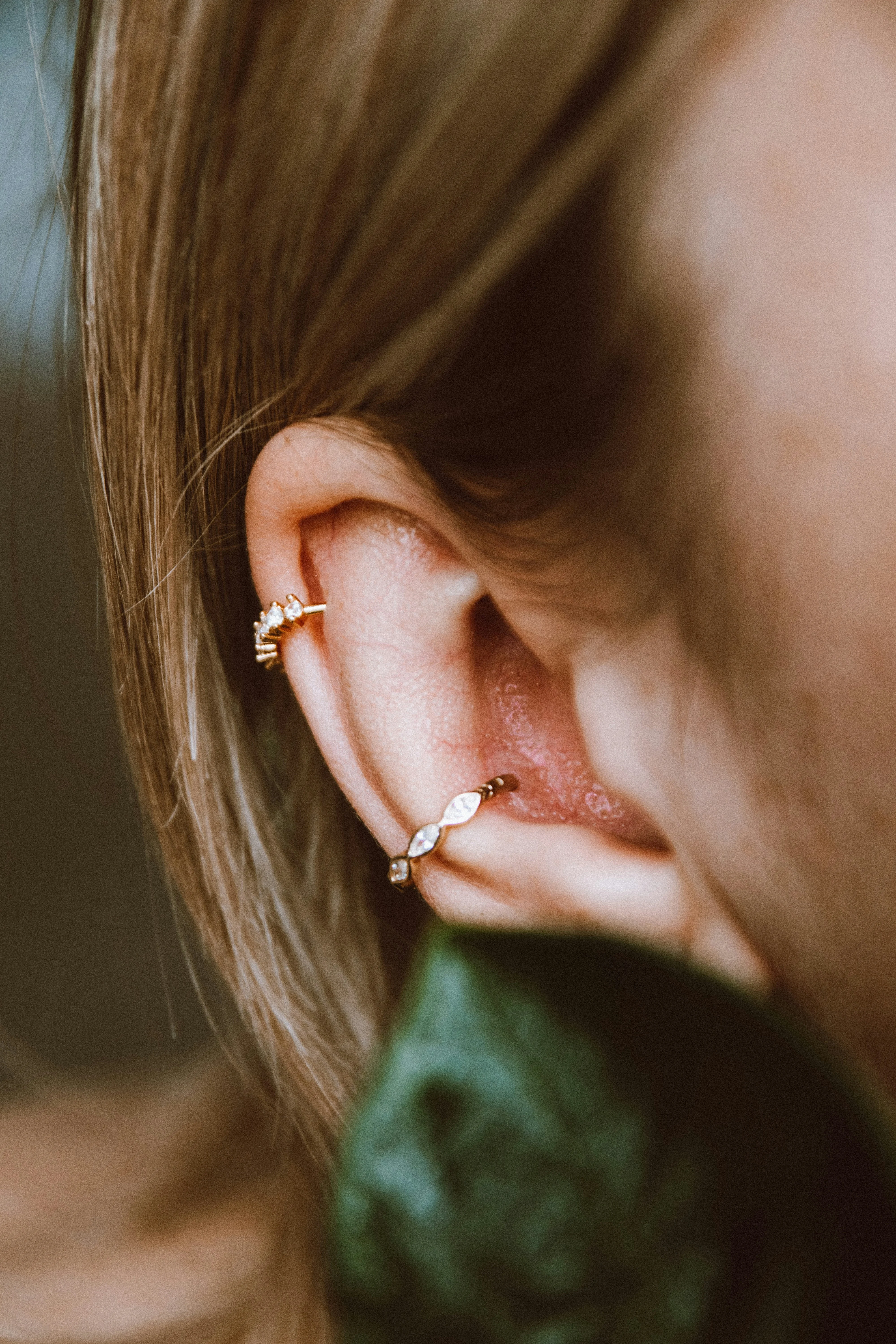
Ear piercings are the most popular and versatile type of body modification. From classic earlobe piercings to more adventurous cartilage piercings, there are numerous options to suit every style and preference.
Popular Ear Piercing Types:
- • Earlobe: Classic and painless, heals in 6-8 weeks
- • Helix: Upper ear cartilage, heals in 3-6 months
- • Tragus: Small cartilage near ear canal, heals in 3-6 months
- • Conch: Inner ear cartilage, heals in 6-9 months
- • Daith: Inner cartilage fold, heals in 4-6 months
Earlobe Piercing Details
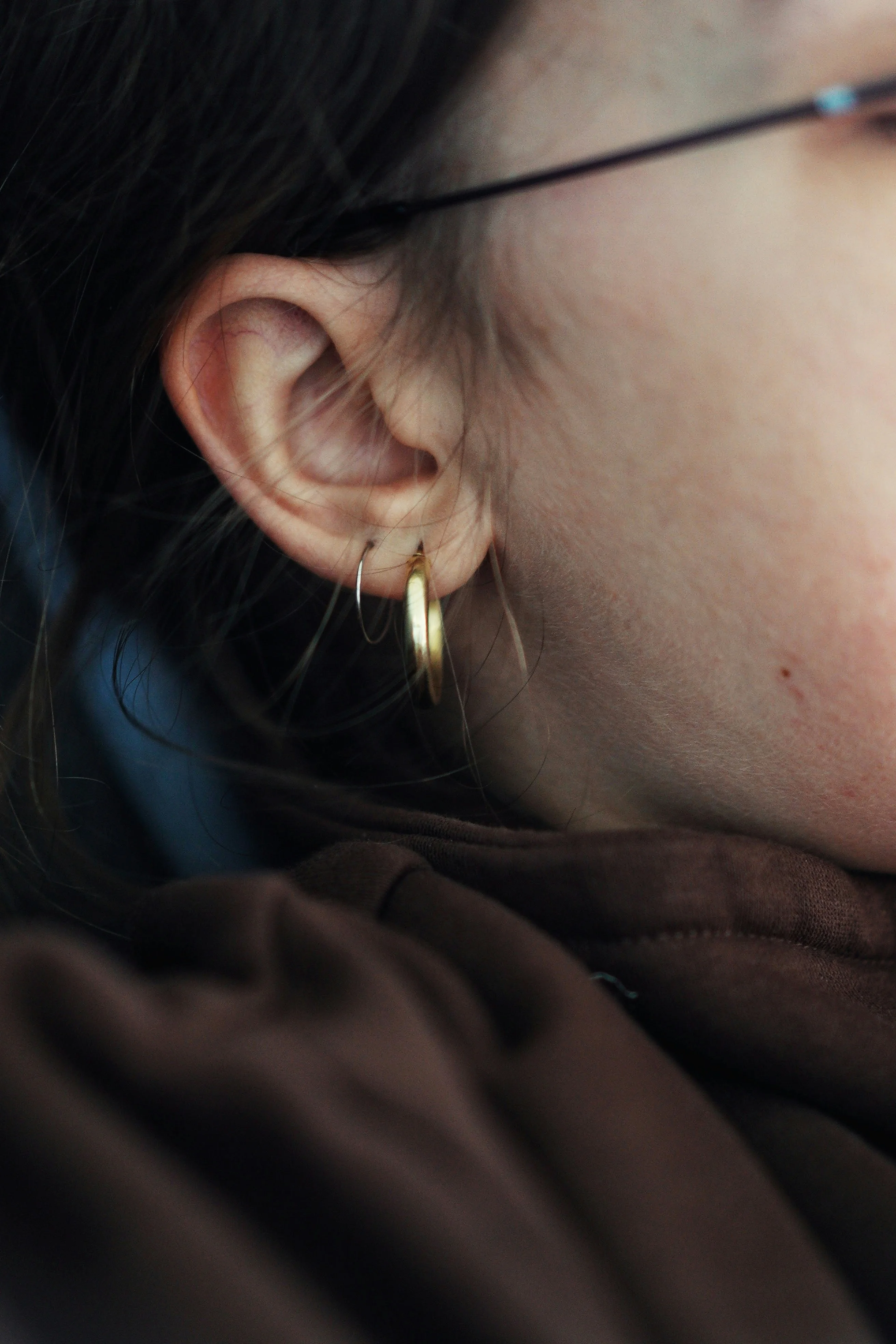
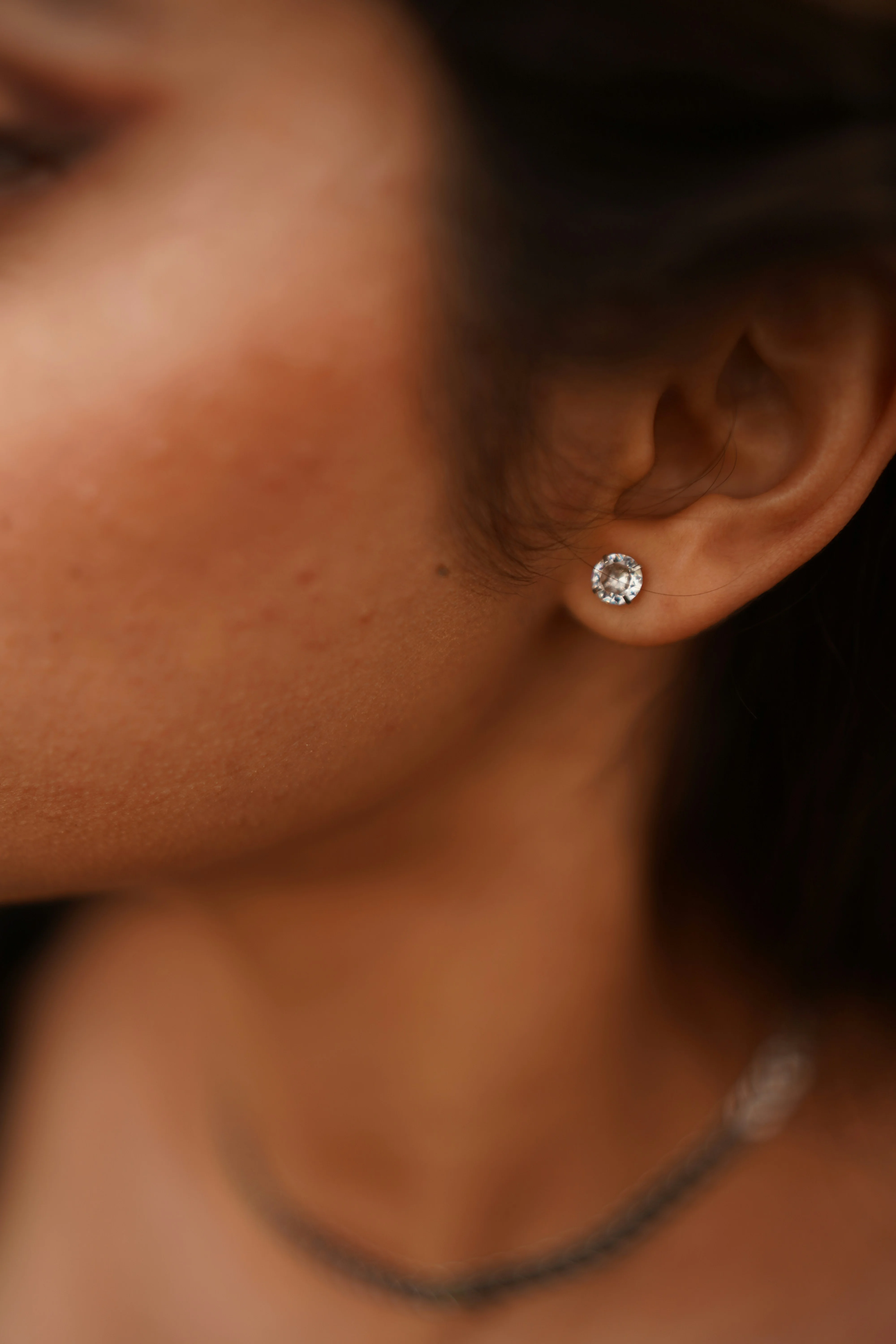
Earlobe piercings are perfect for beginners. They're virtually painless, heal quickly, and offer endless jewelry options. Our professional piercers ensure precise placement and use only high-quality, sterile equipment.
💡 Pro Tip:
Start with simple studs and wait for complete healing before switching to heavier or dangly earrings.
Jewelry Selection for Ear Piercings
The right jewelry can make all the difference in both healing and aesthetic appeal. Quality materials like surgical steel, titanium, and 14k gold are essential for proper healing and long-term comfort.
Best Materials for Initial Piercing:
- • Surgical Steel (316L)
- • Titanium (Grade 1 or 2)
- • 14k or 18k Gold
- • Niobium
Nose Piercings

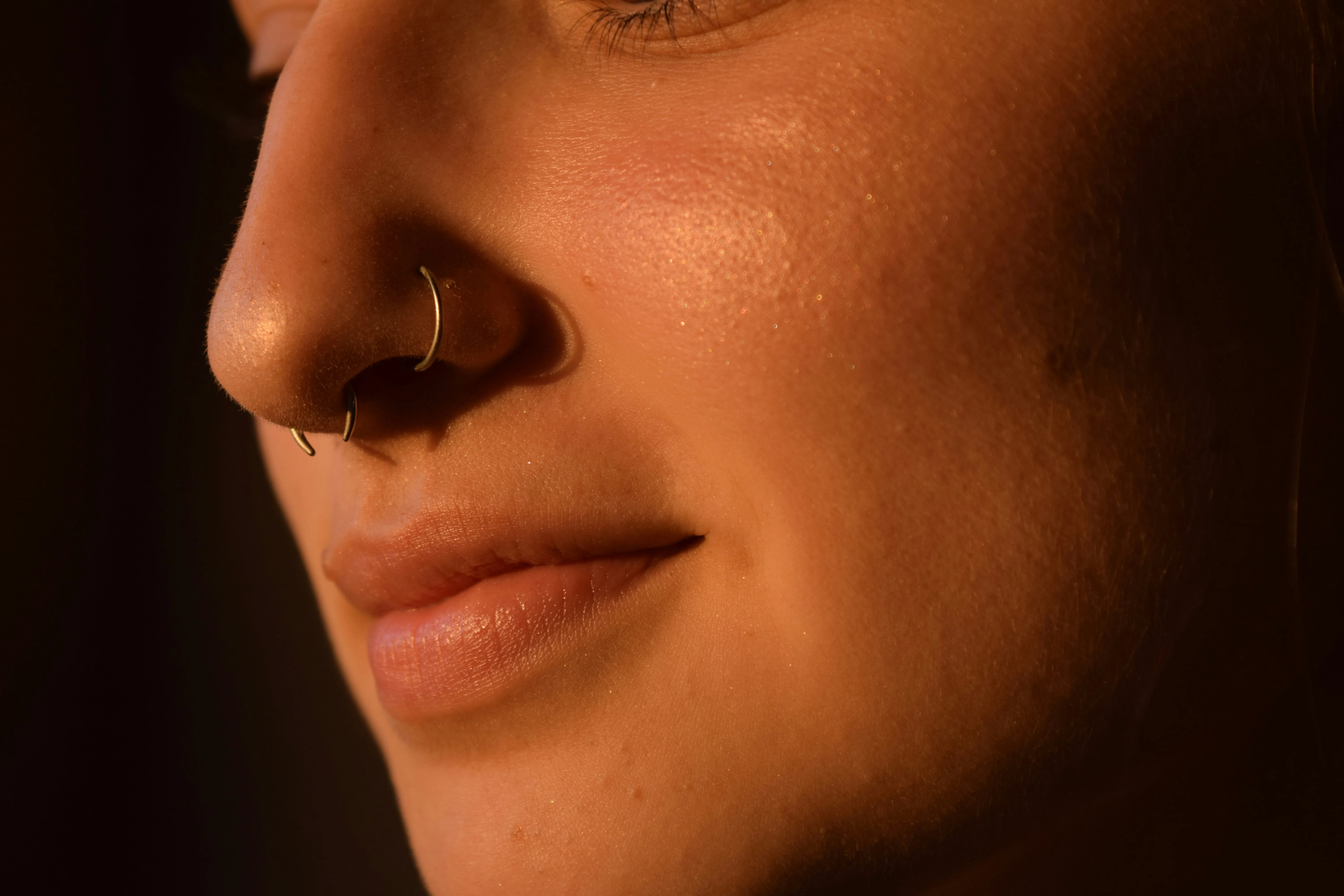
Nose piercings are increasingly popular and offer a subtle yet striking way to enhance your facial features. They're relatively quick to heal and can be styled with various jewelry options.
Types of Nose Piercings:
- • Nostril: Most common, heals in 2-4 months
- • Septum: Through the cartilage, heals in 6-8 weeks
- • Bridge: Across the nose bridge, heals in 8-12 weeks
- • High Nostril: Higher placement, heals in 4-6 months
Nose Piercing Placement & Healing
Proper placement is crucial for nose piercings. Our experienced piercers consider your facial anatomy, nostril shape, and personal style preferences to ensure the perfect placement that complements your features.
⚠️ Important:
Avoid touching or rotating your nose piercing during healing. This can introduce bacteria and prolong healing time.
Essential Piercing Aftercare
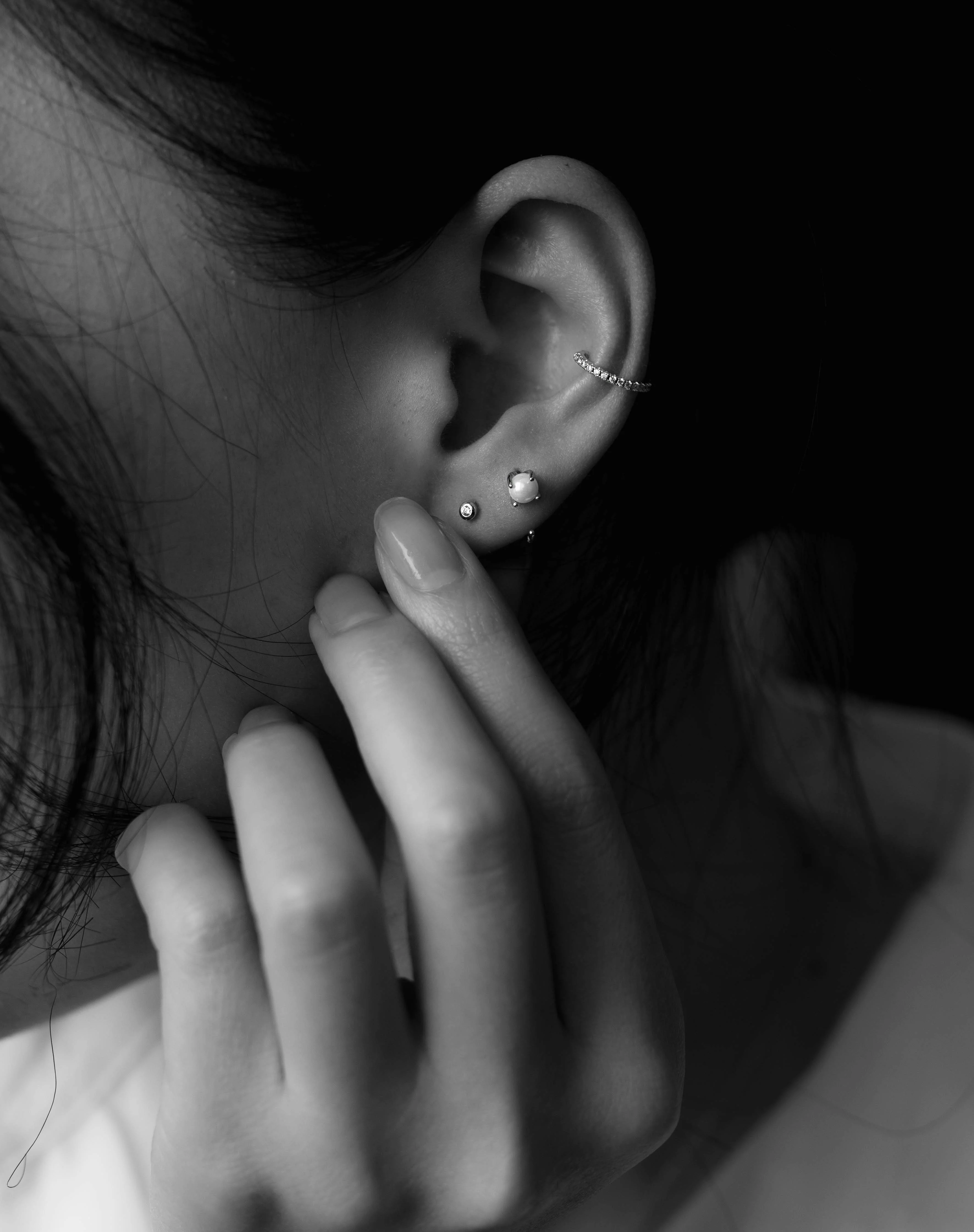
Proper aftercare is the most important factor in successful piercing healing. Following our professional aftercare instructions will ensure your piercing heals properly and looks beautiful for years to come.
Every piercing we perform comes with detailed aftercare instructions and ongoing support from our team. We're here to help you through the entire healing process.
Daily Aftercare Routine:
🧼 Daily Cleaning
Clean 2-3 times daily with sterile saline solution or antibacterial soap. Gently remove any discharge or debris.
🚫 Avoid Touching
Only touch your piercing with clean hands when cleaning. Avoid rotating or playing with the jewelry.
💧 Stay Hydrated
Drink plenty of water and maintain good overall health to support the healing process.
😴 Quality Sleep
Get adequate sleep and avoid sleeping on fresh piercings to prevent irritation and trauma.
⚠️ What to Avoid During Healing:
- • Swimming in pools, lakes, or hot tubs
- • Using harsh chemicals or alcohol-based products
- • Changing jewelry before complete healing
- • Sleeping on the piercing
- • Excessive movement or trauma to the area
- • Over-cleaning (more than 3 times daily)
Healing Timeline by Piercing Type
👂 Ear Piercings
- • Earlobe: 6-8 weeks
- • Helix: 3-6 months
- • Tragus: 3-6 months
- • Conch: 6-9 months
- • Daith: 4-6 months
👃 Nose Piercings
- • Nostril: 2-4 months
- • Septum: 6-8 weeks
- • Bridge: 8-12 weeks
- • High Nostril: 4-6 months
👄 Oral Piercings
- • Tongue: 4-6 weeks
- • Lip: 6-8 weeks
- • Labret: 6-8 weeks
- • Monroe: 6-8 weeks
👁️ Facial Piercings
- • Eyebrow: 6-8 weeks
- • Anti-eyebrow: 6-8 weeks
- • Cheek: 8-12 weeks
- • Dermal: 6-12 weeks
Signs of Proper Healing vs. Infection
✅ Normal Healing Signs
- • Mild swelling for first few days
- • Light clear or slightly yellow discharge
- • Mild tenderness around the piercing
- • Slight redness immediately around the piercing
- • Gradual improvement over time
- • Formation of a protective crust
⚠️ Signs of Infection
- • Excessive swelling that worsens
- • Green, thick, or foul-smelling discharge
- • Severe pain that increases over time
- • Red streaks extending from the piercing
- • Fever or feeling unwell
- • Hot sensation around the piercing
📞 When to Contact Us:
If you notice any signs of infection or have concerns about your piercing healing, contact Rhino Tattoo Studio immediately. We provide ongoing support and can help address any issues promptly.
Professional Piercing vs. DIY
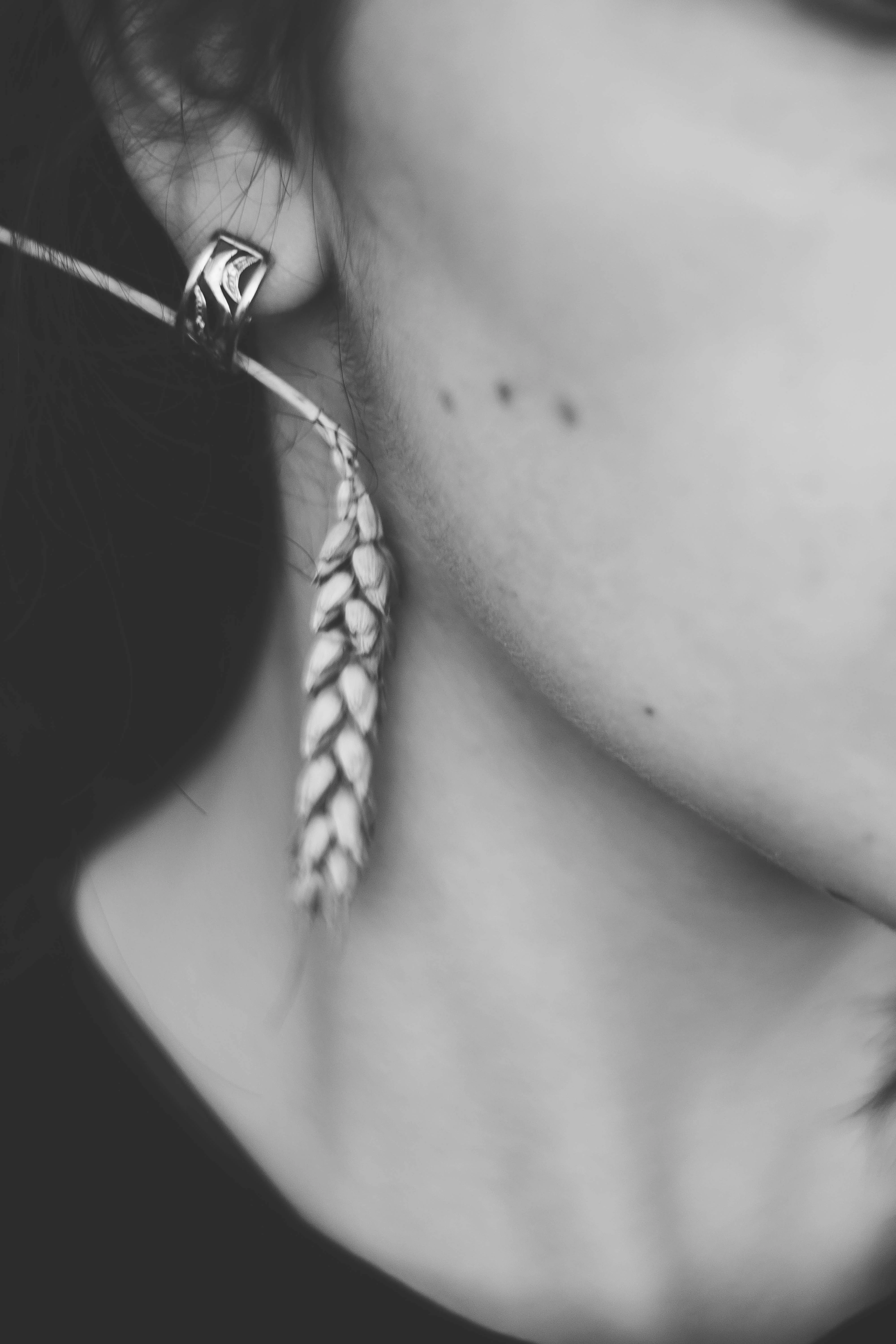
Professional piercing ensures safety, proper placement, and optimal healing. Our certified piercers use sterile equipment, high-quality jewelry, and follow strict hygiene protocols to give you the best possible experience.
Why Choose Professional Piercing:
- • Sterile environment and equipment
- • Expert knowledge of anatomy and placement
- • High-quality, body-safe jewelry
- • Proper aftercare guidance
- • Ongoing support during healing
Piercing Combinations & Styling
Creating a cohesive piercing look involves considering placement, jewelry style, and overall balance. Our piercers can help you plan a piercing journey that develops your unique style over time.
Popular Piercing Combinations:
- • Multiple earlobe piercings
- • Helix and tragus combination
- • Conch and daith pairing
- • Nostril and septum combo
- • Curated ear projects
💡 Styling Tip:
Consider your lifestyle and personal style when planning multiple piercings. We can help you create a look that's uniquely you.
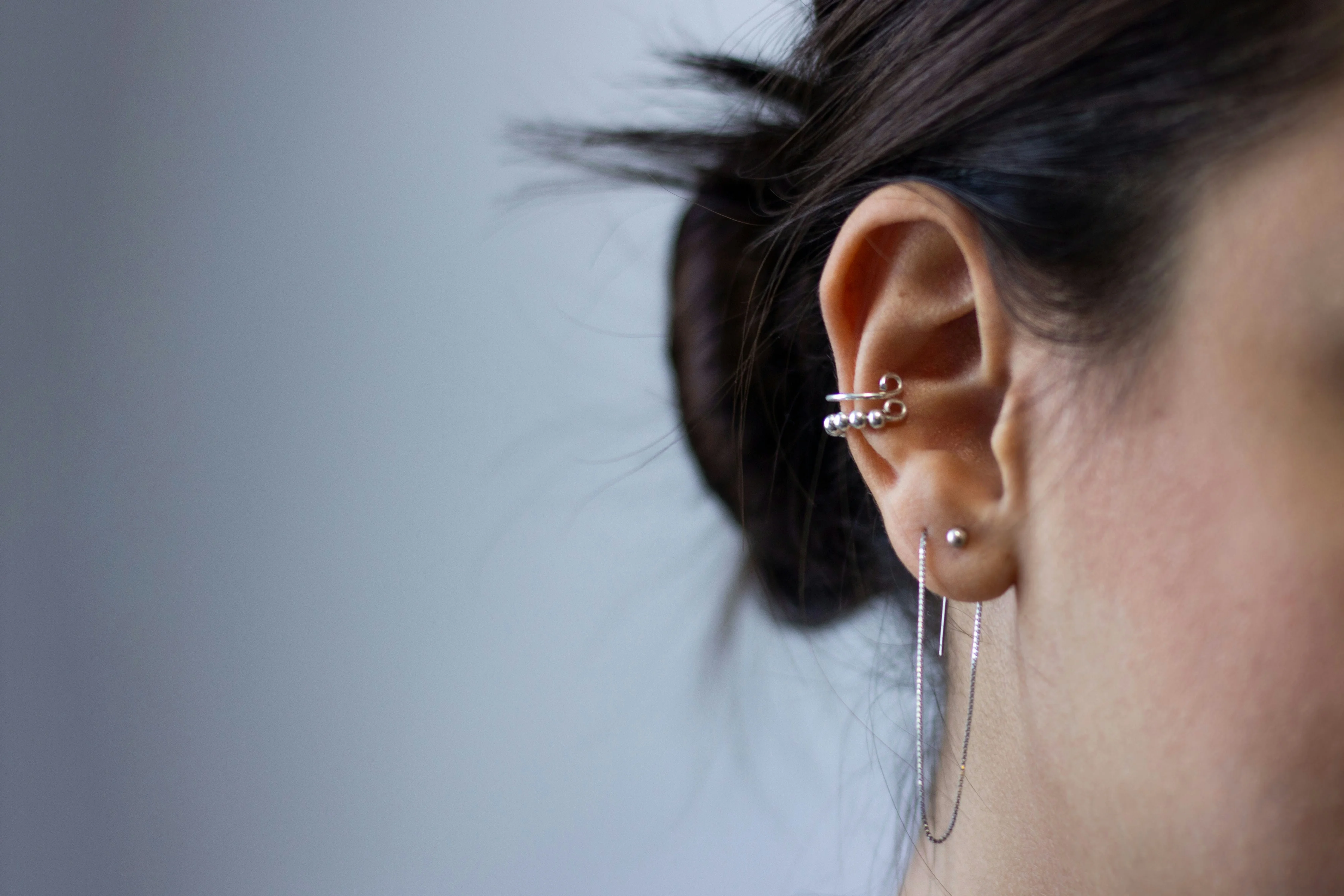
Ready for Your Next Piercing?
Our experienced piercers at Rhino Tattoo Studio are here to help you achieve your piercing goals safely and beautifully. From consultation to aftercare, we're with you every step of the way.