Choosing the right placement for your tattoo is just as important as choosing the design itself. The placement affects not only how your tattoo looks but also how much it hurts, how it heals, and how it will age over time. This comprehensive guide will help you make the best decision for your next tattoo.
Key Factors to Consider
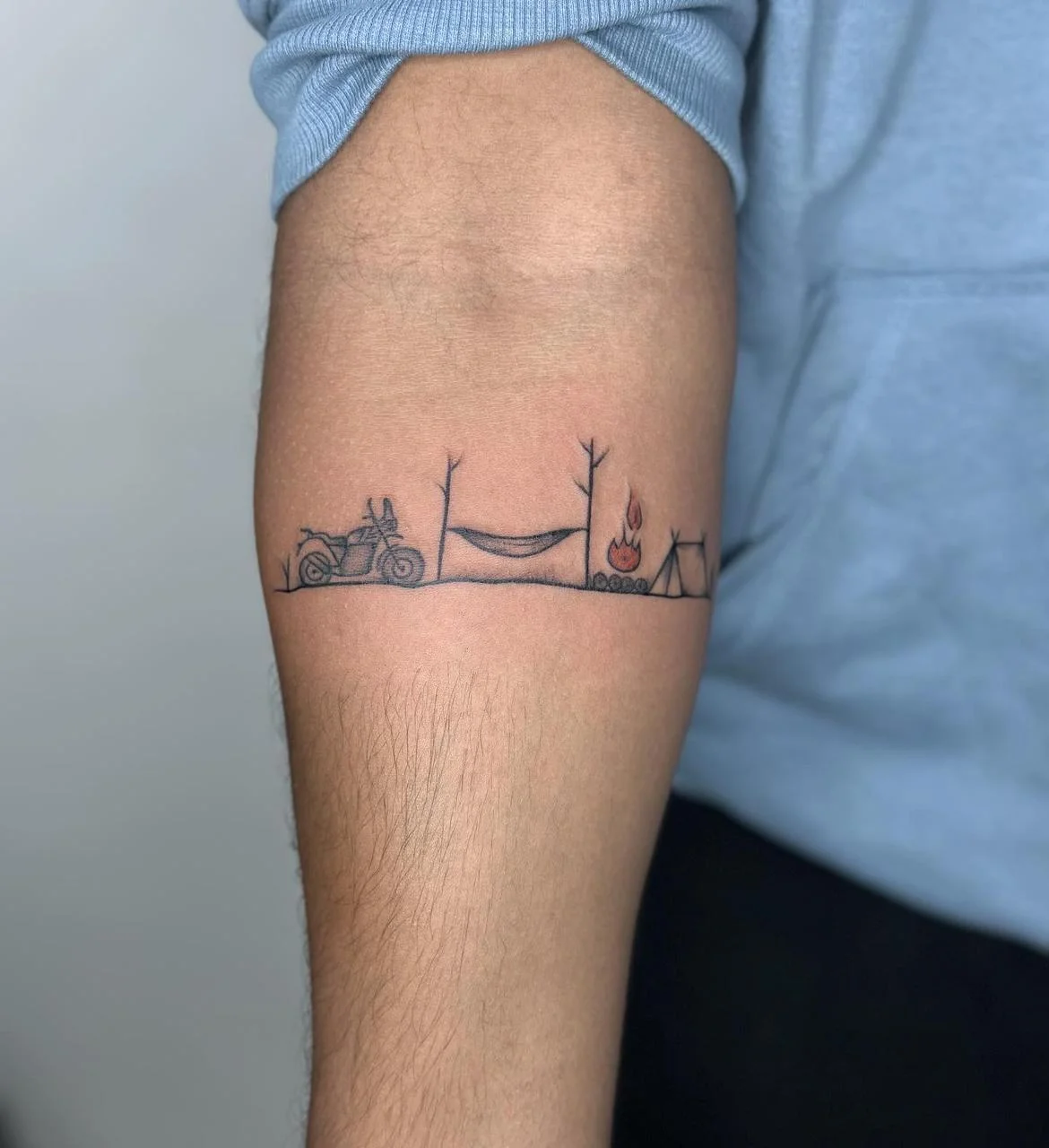
Before deciding on placement, consider several important factors that will affect your tattoo experience and long-term satisfaction.
Essential Considerations:
- • Pain tolerance and sensitivity of the area
- • Professional requirements and workplace policies
- • Design size and how it fits the body part
- • Healing considerations and aftercare difficulty
- • Aging and stretching over time
- • Personal visibility preferences
Body Areas and Pain Levels
Low Pain Areas (1-3/10)
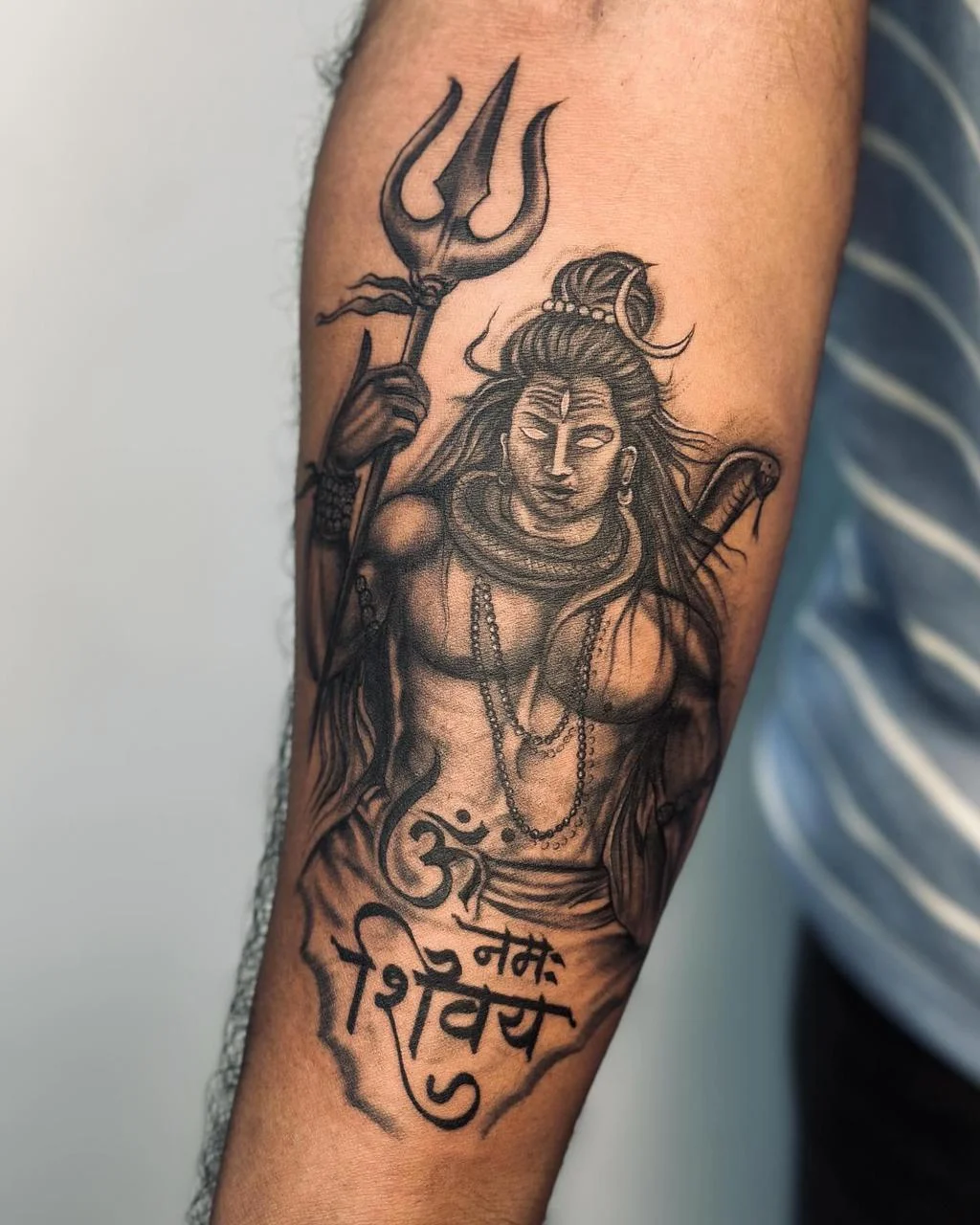
These areas have more muscle and fat, making them less sensitive to tattooing. Perfect for first-time tattoo recipients.
Best Low-Pain Locations:
- • Forearms: Excellent for medium to large designs
- • Upper arms/biceps: Great canvas for detailed work
- • Shoulders: Perfect for circular or flowing designs
- • Upper back: Ideal for large, detailed pieces
- • Calves: Good for vertical designs
- • Outer thighs: Plenty of space for large tattoos
Medium Pain Areas (4-6/10)
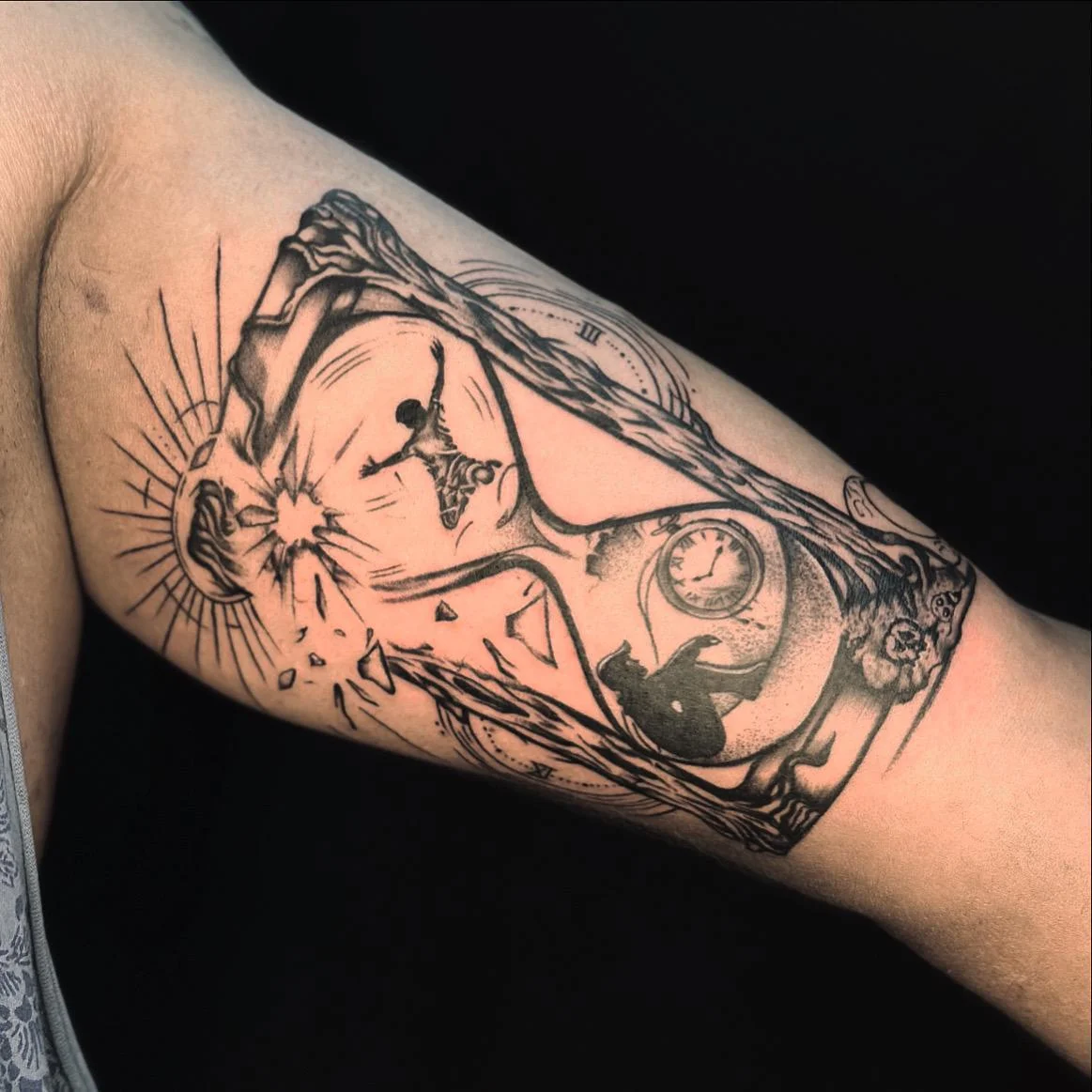
These areas have moderate sensitivity due to thinner skin or proximity to bones, but are still manageable for most people.
Medium Pain Locations:
- • Chest: Great for meaningful designs
- • Lower back: Good for horizontal designs
- • Neck (sides): Trendy but consider workplace policies
- • Inner forearm: More sensitive than outer side
- • Wrists: Popular for small, meaningful tattoos
- • Ankles: Good for small to medium designs
High Pain Areas (7-10/10)
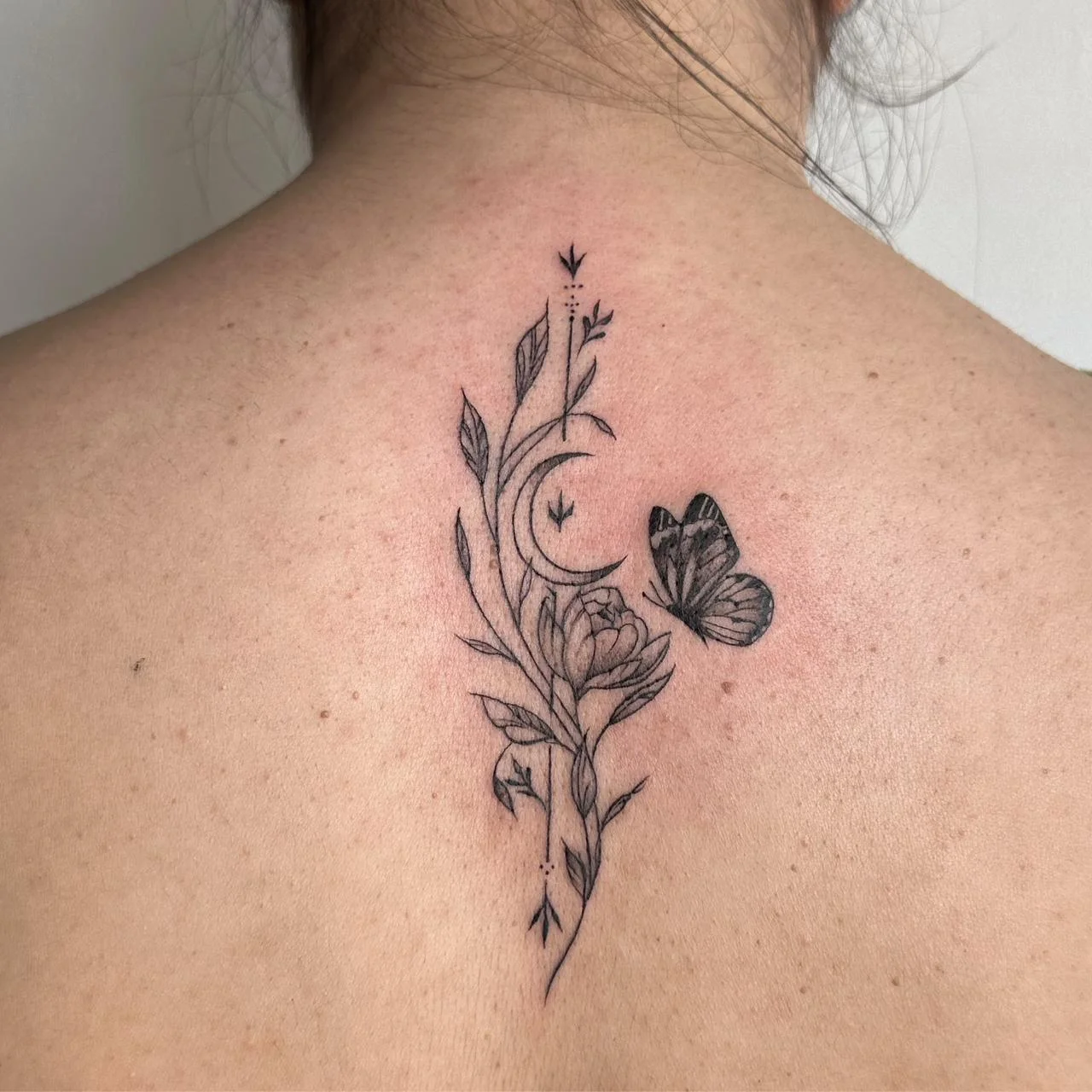
These areas are the most sensitive due to thin skin, proximity to bones, or high nerve density. Best for experienced tattoo recipients.
High Pain Locations:
- • Ribs: Very sensitive, requires patience
- • Spine: Extremely sensitive due to bone proximity
- • Feet: Thin skin and many nerve endings
- • Hands: Painful and may require frequent touch-ups
- • Inner bicep: Sensitive and tender area
- • Behind ears: Very sensitive skin
Best Placement by Design Type
🎨 Large, Detailed Pieces
Realistic portraits, detailed scenes, large geometric designs
Best Locations:
- • Back (full or upper)
- • Chest
- • Thigh
- • Full sleeve
- • Ribcage (for experienced clients)
📏 Medium Designs
Mandalas, animals, florals, traditional designs
Best Locations:
- • Forearm
- • Upper arm
- • Shoulder
- • Calf
- • Lower back
🔸 Small, Minimalist
Symbols, text, simple line work, small geometric shapes
Best Locations:
- • Wrist
- • Ankle
- • Behind ear
- • Finger
- • Inner forearm
🌸 Flowing Designs
Vines, scripts, ribbons, watercolor effects
Best Locations:
- • Ribs (following natural curves)
- • Spine
- • Shoulder blade
- • Collarbone
- • Hip
Professional and Lifestyle Considerations
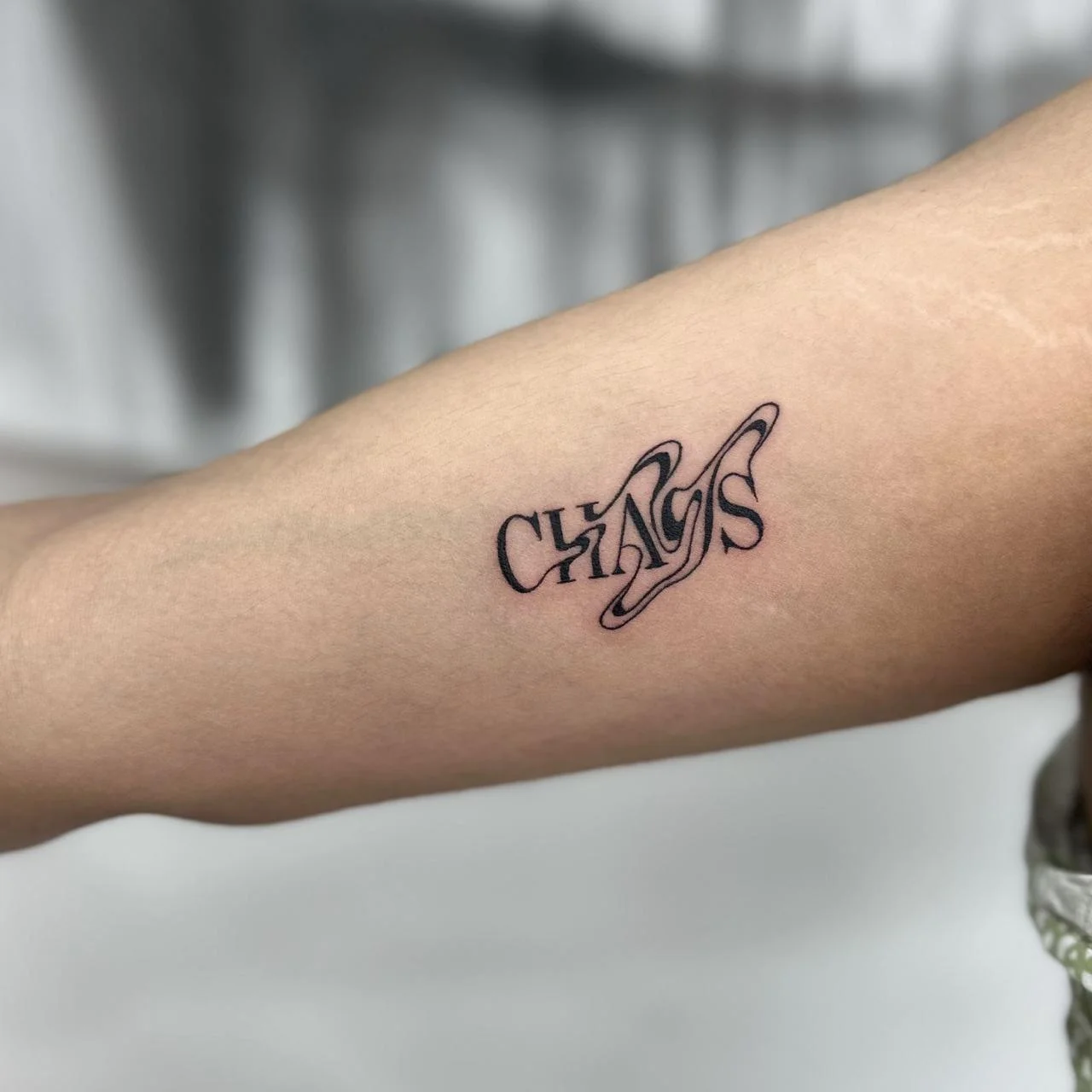
Consider your career and lifestyle when choosing placement. While attitudes toward tattoos are changing, some professions still have restrictions.
Workplace-Friendly Locations:
- • Areas easily covered by business attire
- • Upper arms and shoulders
- • Back and torso
- • Upper thighs
- • Lower legs (if pants are worn)
🏢 Career Considerations:
- • Conservative fields: Healthcare, law, finance, education
- • Customer-facing roles: Consider visible tattoo policies
- • Creative industries: Generally more accepting
- • Trade professions: Usually more flexible
- • Future career plans: Think long-term
Healing and Aftercare by Location
✅ Easy Healing Areas
- • Arms and legs: Easy to keep clean
- • Back: Less movement and friction
- • Shoulders: Stable healing environment
- • Chest: Protected by clothing
⚠️ Challenging Areas
- • Hands and feet: Frequent use affects healing
- • Joints: Movement can crack healing skin
- • Ribs: Breathing movement affects healing
- • Face/neck: Exposure to elements
How Tattoos Age in Different Locations
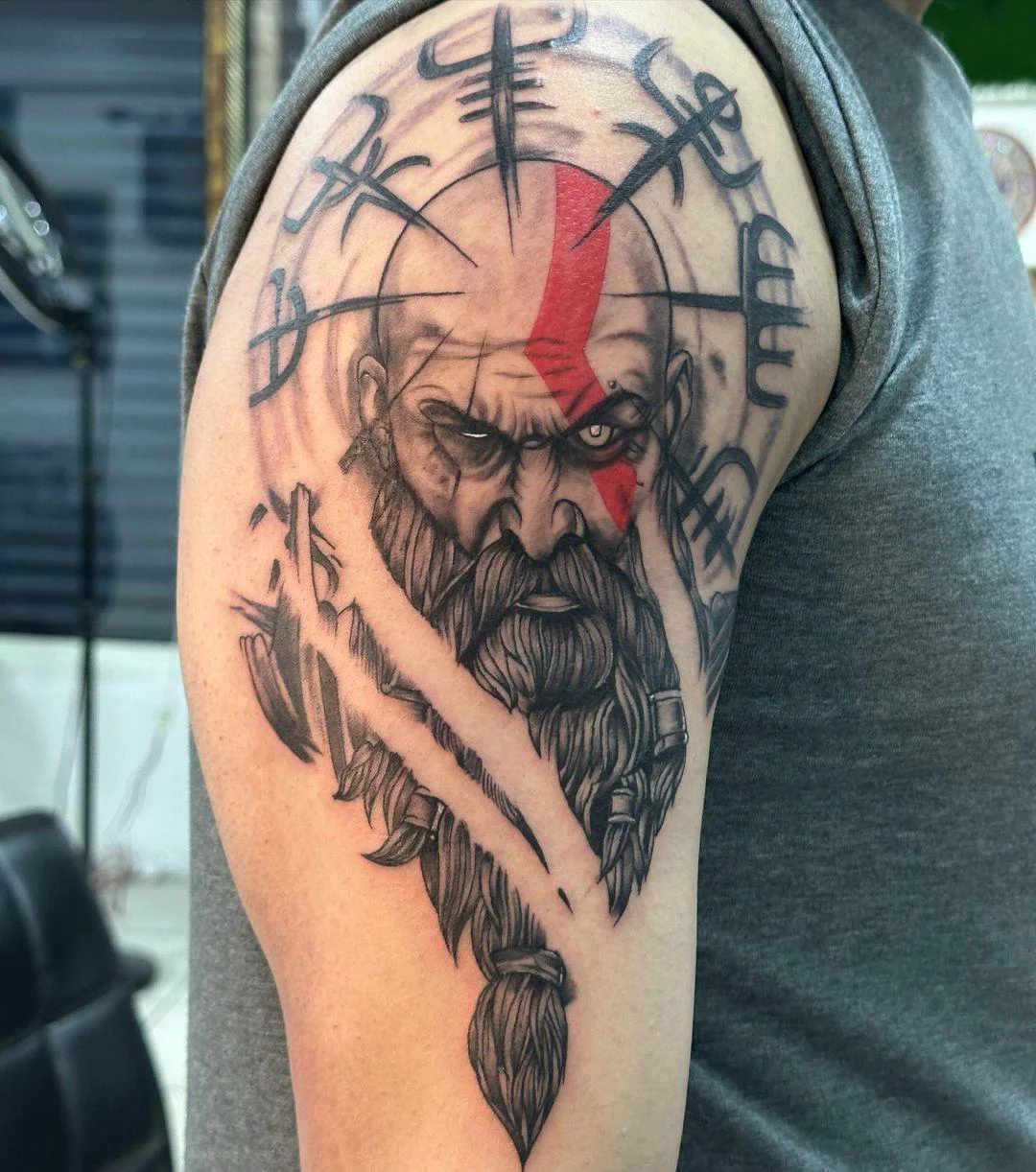
Different body areas age differently, affecting how your tattoo will look over time. Consider these factors for long-term satisfaction.
Best Aging Locations:
- • Upper arms: Stable skin with minimal stretching
- • Back: Less sun exposure and stretching
- • Calves: Maintain shape well over time
- • Chest: Relatively stable area
⚠️ Areas That May Change Over Time:
- • Abdomen: Weight changes affect appearance
- • Hands and feet: Frequent sun exposure fades ink
- • Fingers: May need frequent touch-ups
- • Neck: Skin stretches and wrinkles with age
- • Inner arms: Skin thins and stretches over time
Expert Placement Tips
Professional Recommendations:
🎯 Design Fit
Choose placement that complements your design's natural flow and proportions. Vertical designs work well on arms and legs, while horizontal designs suit shoulders and lower back.
📏 Size Considerations
Ensure the chosen area can accommodate your design properly. Detailed work needs adequate space to age well and remain readable.
🔄 Future Planning
Consider how this tattoo will work with future tattoos. Leave space for expansion or plan cohesive themes.
💪 Pain Management
If you're concerned about pain, start with less sensitive areas and work your way up to more challenging locations.
Ready to Choose Your Perfect Placement?
Our experienced artists at Rhino Tattoo Studio can help you choose the ideal placement for your tattoo. We'll consider your design, lifestyle, and preferences to ensure you get the perfect tattoo in the perfect place.