The right jewelry can make or break your piercing experience. Quality materials promote healing, prevent reactions, and ensure long-term comfort. This comprehensive guide will help you understand jewelry materials, styles, and sizing to make informed decisions for your piercing journey.
Why Jewelry Quality Matters
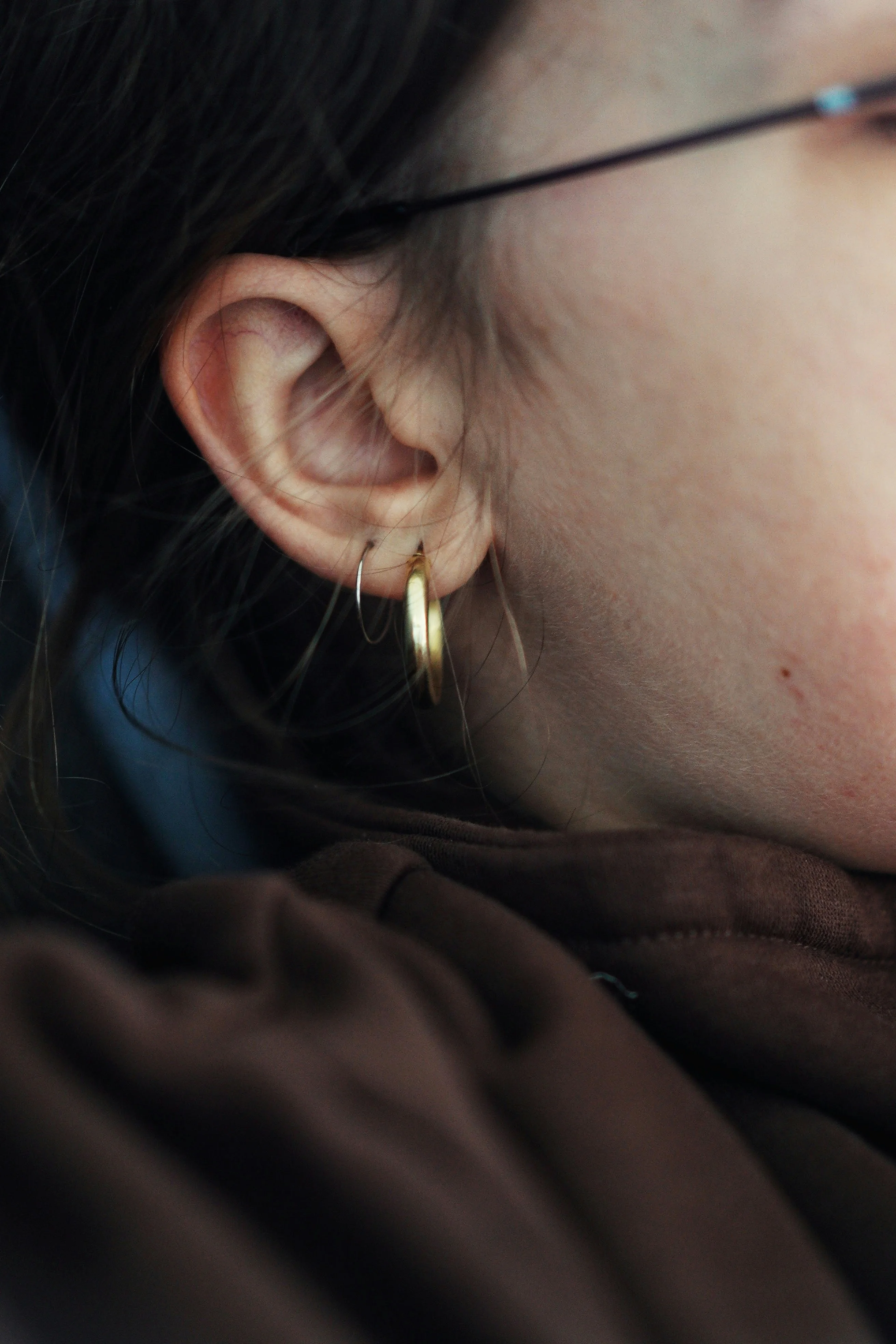
Your piercing jewelry is in direct contact with your body for extended periods. Poor quality materials can cause allergic reactions, infections, and healing complications.
Benefits of Quality Jewelry:
- • Prevents allergic reactions and irritation
- • Promotes faster, cleaner healing
- • Reduces risk of infection
- • Maintains appearance over time
- • Provides long-term comfort
Best Materials for Piercings
🏥 Implant-Grade Titanium
The gold standard for piercing jewelry. Hypoallergenic and used in medical implants.
- • Completely biocompatible
- • Nickel-free and hypoallergenic
- • Lightweight and durable
- • Available in multiple colors
- • Best for sensitive skin
🥇 14k-18k Gold
High-quality gold that's safe for piercing use. Must be 14k or higher.
- • Hypoallergenic when high-quality
- • Beautiful aesthetic appeal
- • Nickel-free solid gold options
- • Available in white, yellow, rose
- • Higher investment, longer lasting
💎 Niobium
Pure element that's completely inert and safe for even the most sensitive piercings.
- • Absolutely hypoallergenic
- • Cannot cause allergic reactions
- • Anodizable for color variety
- • Slightly heavier than titanium
- • Excellent for problem piercings
💍 Surgical Steel
Budget-friendly option that's still safe for most people. Must be implant-grade.
- • Affordable and accessible
- • Durable and long-lasting
- • May contain trace nickel
- • Good for healed piercings
- • Wide variety of styles
Materials to Avoid
Some materials commonly used in cheap jewelry can cause serious problems for piercings, especially during healing.
🚫 Nickel and Nickel Alloys
- • Most common allergen
- • Can cause severe reactions
- • Found in cheap jewelry
- • Reactions can develop over time
🚫 Plated Jewelry
- • Coating can wear off
- • Exposes underlying metals
- • May cause delayed reactions
- • Not suitable for healing piercings
🚫 Costume Jewelry Materials
- • Unknown metal composition
- • High risk of reactions
- • Poor quality manufacturing
- • Can cause serious infections
🚫 Organic Materials (Initially)
- • Wood, bone, horn not for fresh piercings
- • Porous and can harbor bacteria
- • Only for completely healed piercings
- • Require special care and maintenance
Jewelry Styles by Piercing Type
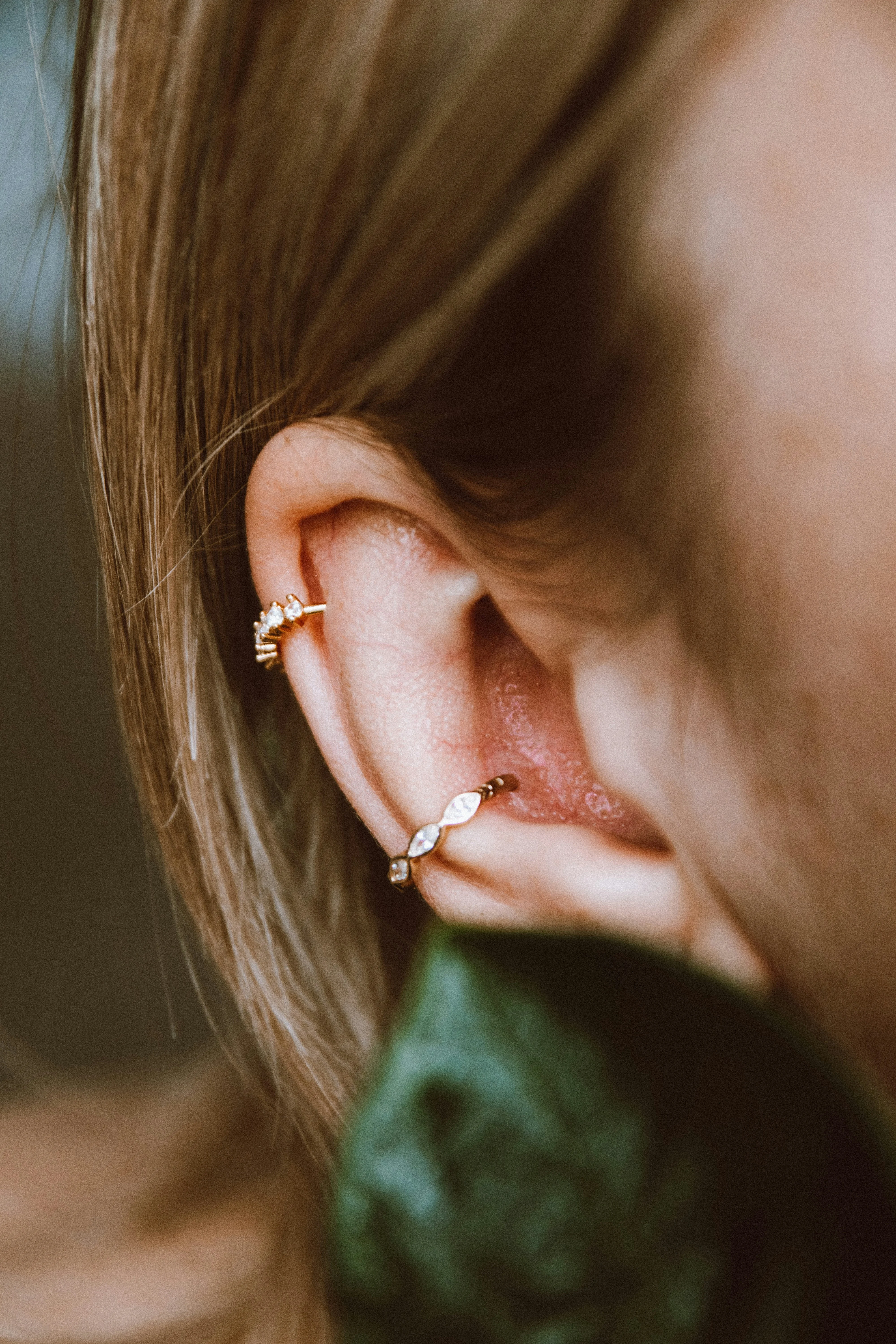
Different piercing locations require specific jewelry styles for optimal healing, comfort, and aesthetics.
👂 Ear Piercings
Lobe Piercings
- • Studs for initial healing
- • Hoops after 6-8 weeks
- • Dangles for special occasions
- • Weights for stretching
Cartilage Piercings
- • Flat-back studs (labret posts)
- • Captive bead rings
- • Seamless rings
- • Threadless/push-fit styles
👃 Nose Piercings
Nostril Piercings
- • Nose studs (L-shaped or screw)
- • Flat-back labret posts
- • Nose bones (after healing)
- • Hoops (after full healing)
Septum Piercings
- • Captive bead rings
- • Seamless rings
- • Circular barbells
- • Retainer for hiding
Sizing and Fit

Proper sizing is crucial for healing and comfort. Jewelry that's too tight can cause embedding, while jewelry that's too loose can catch and cause trauma.
📏 Key Measurements:
Gauge (Thickness)
Standard gauges: 20g (thinnest) to 00g (thickest). Most piercings start at 18g or 16g.
Length
Initial jewelry is longer to accommodate swelling. Downsize after healing begins.
Diameter
For hoops and circular jewelry. Measured as internal diameter of the circle.
Ball Size
End pieces and balls are measured in millimeters. Larger balls are more visible.
Initial vs. Healed Jewelry
🆕 Initial Jewelry
- • Longer to accommodate swelling
- • Simple designs to avoid snagging
- • Highest quality materials only
- • Threaded or threadless styles
- • Stay in place for full healing
✅ Healed Jewelry
- • Proper fit without extra length
- • More decorative options available
- • Wider variety of materials
- • Hoops, dangles, and weights
- • Can be changed regularly
Jewelry Care and Maintenance
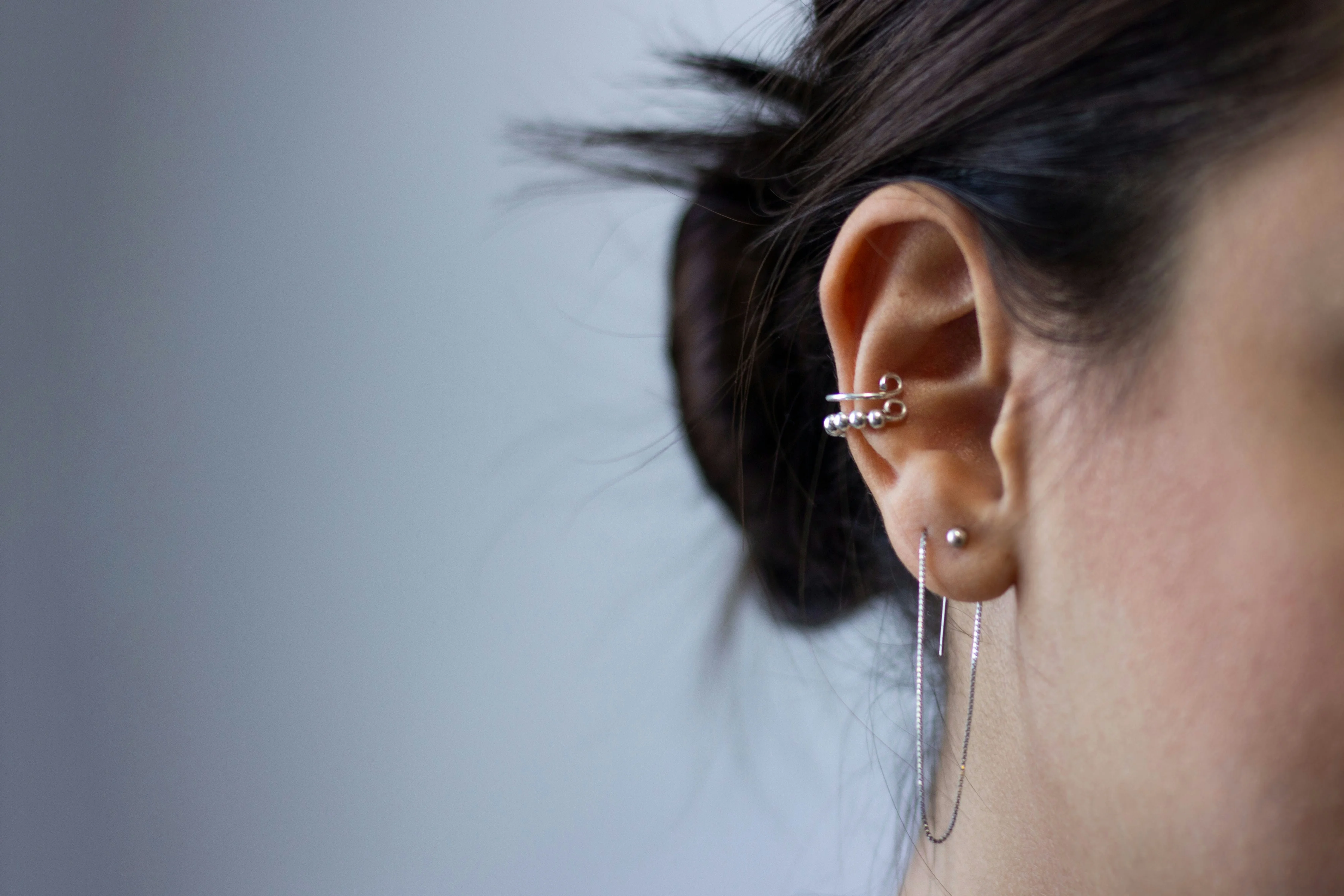
Proper care of your jewelry ensures it stays beautiful and safe for long-term wear.
🧼 Cleaning
- • Clean with saline solution
- • Avoid harsh chemicals
- • Ultrasonic cleaners for deep cleaning
- • Regular cleaning prevents buildup
- • Clean before and after removal
🏠 Storage
- • Keep in clean, dry place
- • Separate to prevent scratching
- • Organize by size and type
- • Use jewelry boxes or organizers
- • Avoid humid environments
🔧 Maintenance
- • Check threading regularly
- • Replace worn o-rings
- • Professional threading repair
- • Replace if damaged
- • Annual quality check
Budget Considerations
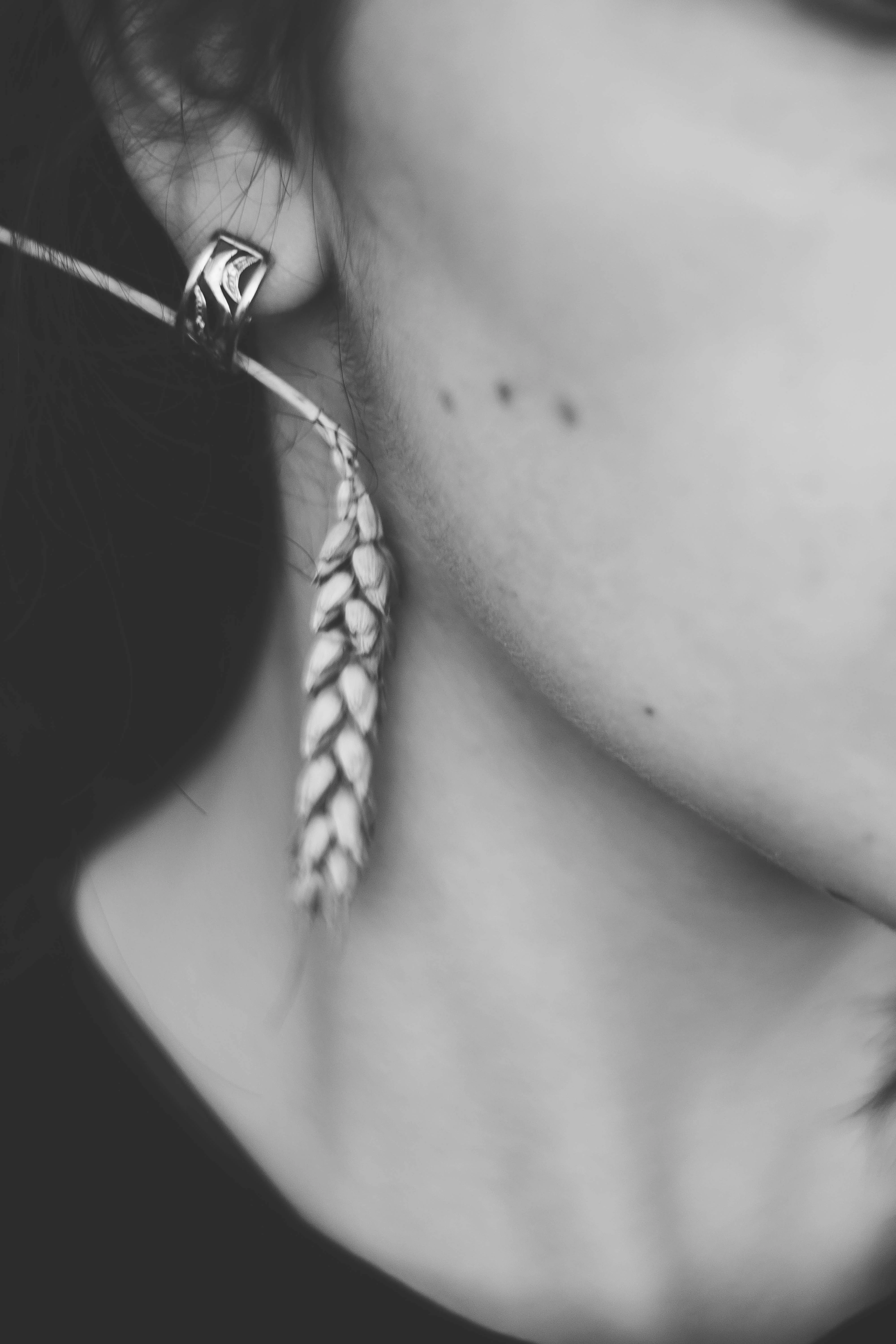
Quality jewelry is an investment in your health and comfort. While it costs more initially, it provides better value long-term.
💰 Investment Priorities:
- • Initial jewelry: Invest in highest quality possible
- • Healing period: Don't compromise on materials
- • After healing: More options become available
- • Long-term wear: Quality pays off in comfort
- • Special occasions: Upgrade to premium pieces
Need Help Choosing Jewelry?
Our experienced piercers at Rhino Tattoo Studio can help you select the perfect jewelry for your piercing. We carry only the highest quality materials and can guide you through sizing, style, and material options.