The piercing industry is surrounded by misconceptions that can lead to poor decisions and unnecessary anxiety. From outdated beliefs about healing to dangerous DIY practices, it's time to separate fact from fiction. This comprehensive guide debunks the most common piercing myths with evidence-based information.
Why Piercing Myths Persist

Piercing myths often stem from outdated practices, misunderstandings about anatomy, or anecdotal experiences that aren't universally applicable.
Common Sources of Misinformation:
- • Outdated medical advice
- • Social media misinformation
- • Unqualified "professionals"
- • Cultural misconceptions
- • Fear-based narratives
Pain and Healing Myths
❌ MYTH: Piercings should hurt constantly while healing
✅ FACT:
While some tenderness is normal initially, constant pain usually indicates a problem. A properly done piercing should be comfortable within a few days.
❌ MYTH: Ice helps with piercing swelling
✅ FACT:
Ice can actually slow healing by reducing blood flow. Instead, use room temperature saline solution and elevation when possible.
❌ MYTH: Cleaning more often means faster healing
✅ FACT:
Over-cleaning can irritate and delay healing. 2-3 times daily with saline solution is optimal for most piercings.
❌ MYTH: Cartilage piercings take years to heal
✅ FACT:
Most cartilage piercings heal within 6-9 months with proper care. Years of problems usually indicate poor technique or aftercare.
Safety and Sterility Myths
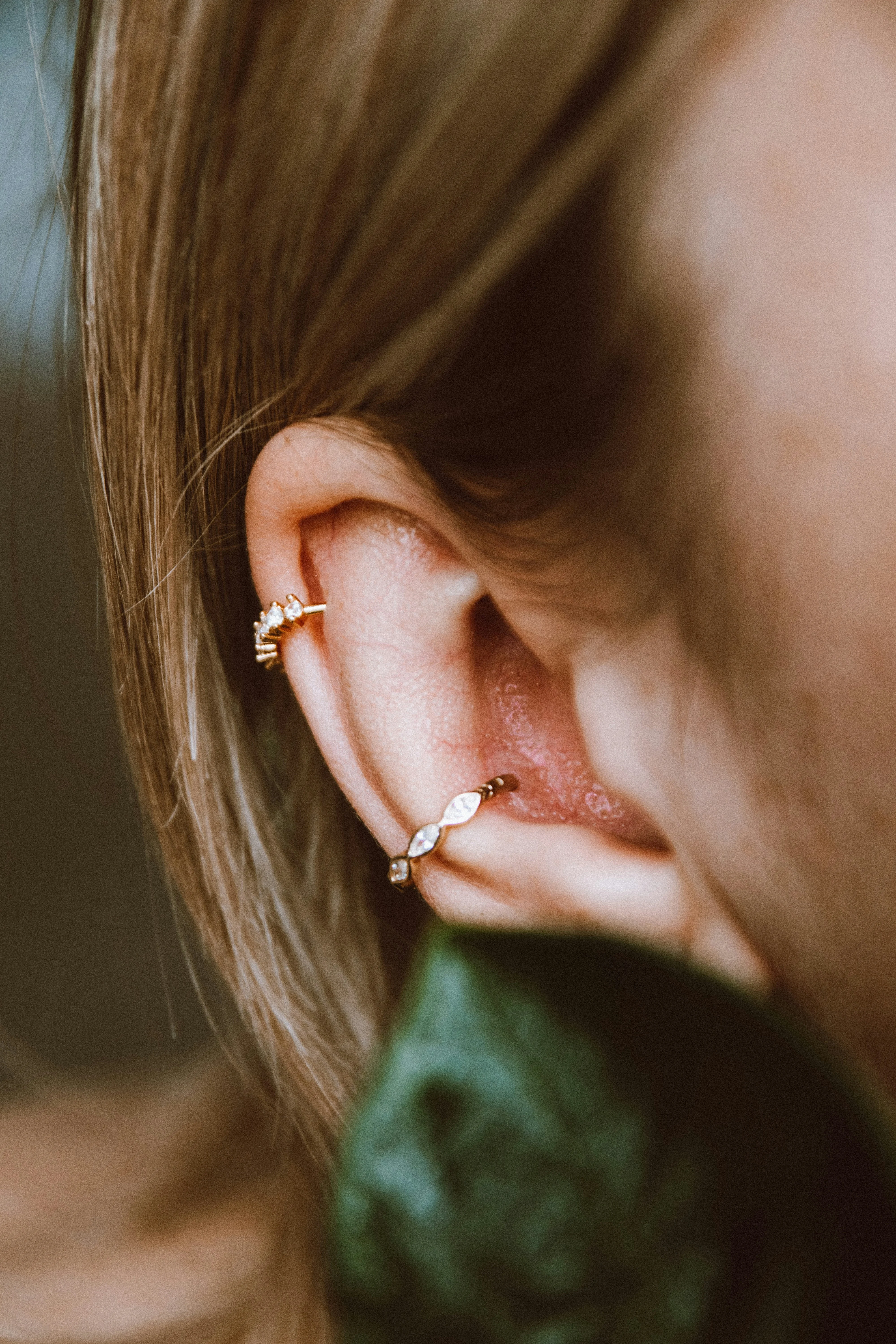
Safety myths can be particularly dangerous, leading people to take unnecessary risks or avoid beneficial practices.
❌ MYTH: Piercing guns are safer than needles
✅ FACT:
Piercing guns cause blunt force trauma, can't be properly sterilized, and force inappropriate jewelry through tissue. Professional needles are much safer.
❌ MYTH: Alcohol sterilizes everything
✅ FACT:
Alcohol can't kill all pathogens and isn't sufficient for sterilization. Professional autoclaves are required for proper sterilization.
❌ MYTH: You can't get infections from professional piercings
✅ FACT:
While rare with proper technique, infections can occur. The key is choosing a reputable piercer and following aftercare instructions.
❌ MYTH: DIY piercings are safe if you're careful
✅ FACT:
DIY piercings lack proper sterilization, technique, and anatomy knowledge. They significantly increase infection and complication risks.
Age and Anatomy Myths
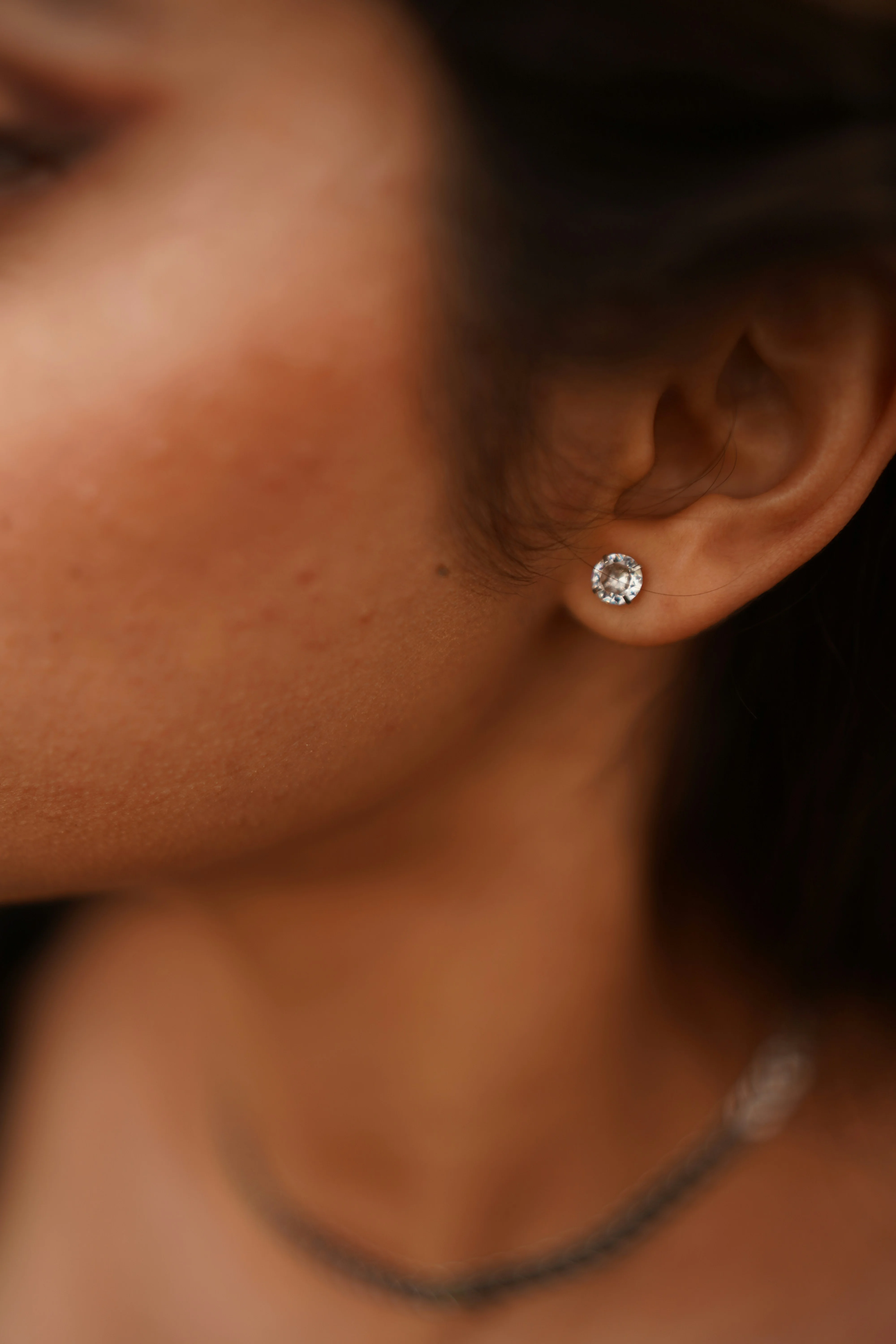
Age-related myths often prevent people from getting piercings they want or lead to inappropriate timing decisions.
❌ MYTH: Babies should get ear piercings immediately
✅ FACT:
Waiting until 6+ months allows the immune system to develop and reduces infection risk. Many professionals prefer waiting until 12+ months.
❌ MYTH: You're too old for piercings after 30
✅ FACT:
Age is just a number! Piercings can be beautiful at any age, and many people get their first piercings later in life.
❌ MYTH: Cartilage is too thick to pierce safely
✅ FACT:
Cartilage piercings are routine when done by experienced professionals with proper technique and jewelry.
❌ MYTH: Certain body types can't have piercings
✅ FACT:
Most people can have piercings with proper assessment and technique. Anatomy affects placement, not possibility.
Jewelry and Material Myths
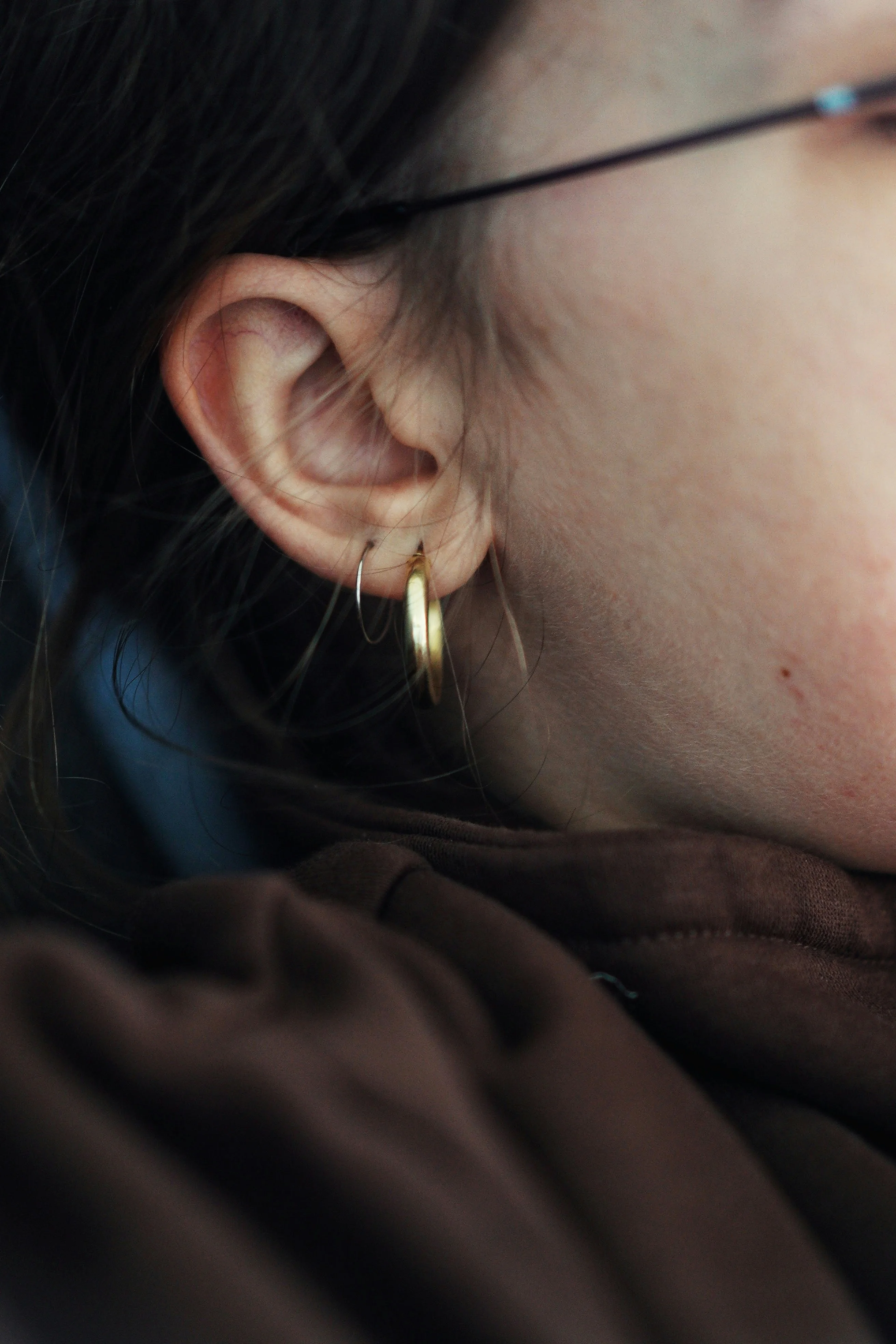
Jewelry myths can lead to poor material choices that cause reactions, infections, or healing problems.
❌ MYTH: All surgical steel is the same
✅ FACT:
Only implant-grade surgical steel is appropriate for piercings. Many "surgical steels" contain nickel and aren't body-safe.
❌ MYTH: Gold jewelry is always safe
✅ FACT:
Only 14k+ solid gold is safe for piercings. Gold-plated, filled, or low-karat gold can cause reactions.
❌ MYTH: Bigger jewelry heals faster
✅ FACT:
Proper sizing is key. Too big can cause irritation and migration, too small can embed. Professional sizing is essential.
❌ MYTH: Cheap jewelry is fine for healed piercings
✅ FACT:
Even healed piercings can react to poor materials. Quality jewelry is always the safer choice for long-term wear.
Aftercare Myths
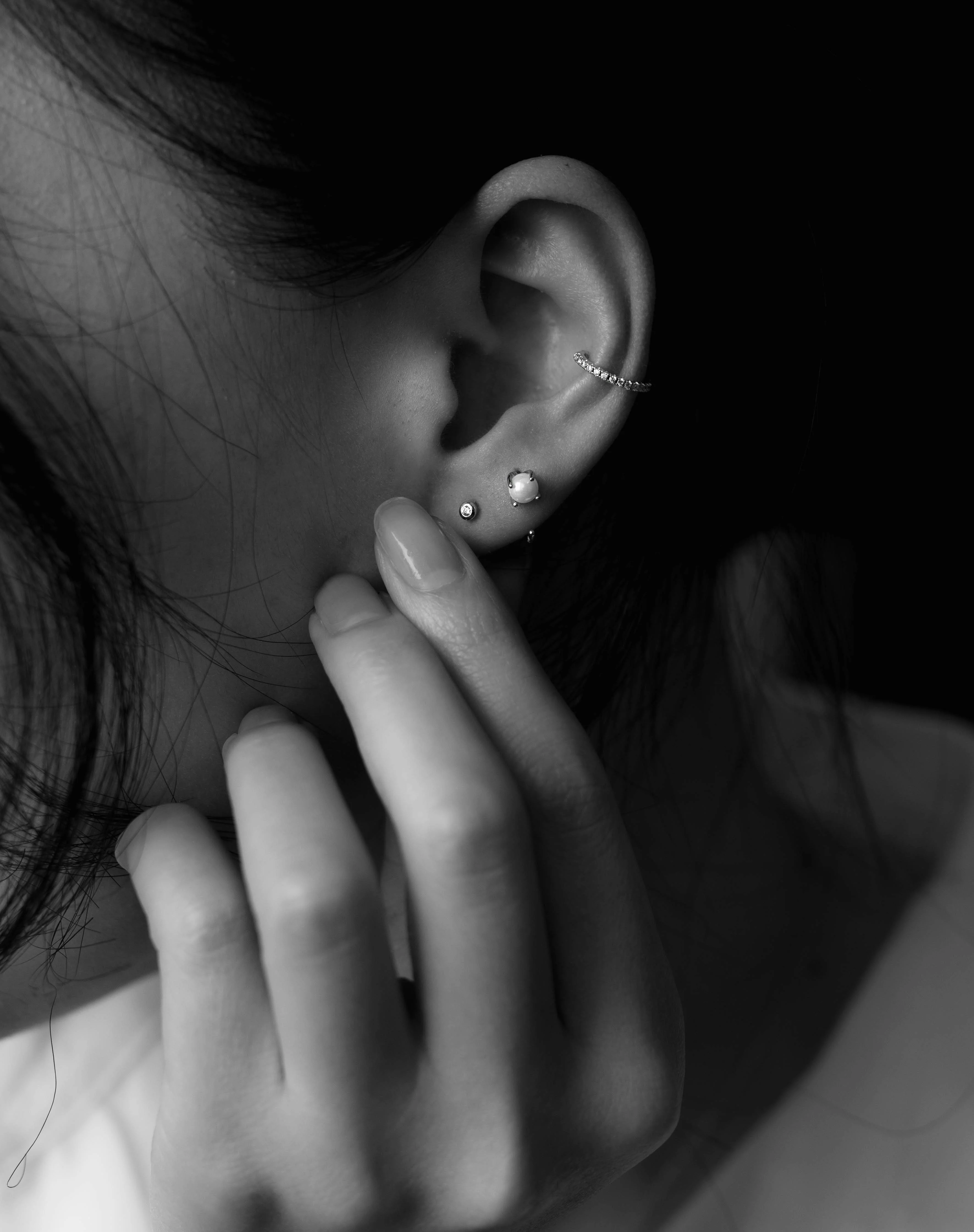
Aftercare myths are particularly harmful because they directly impact healing success and can turn a simple piercing into a complicated problem.
❌ MYTH: You should rotate jewelry to prevent sticking
✅ FACT:
Rotating jewelry disrupts healing tissue and can introduce bacteria. Leave jewelry alone except for gentle cleaning.
❌ MYTH: Hydrogen peroxide is good for cleaning
✅ FACT:
Hydrogen peroxide kills healthy cells along with bacteria, slowing healing. Sterile saline is the gold standard.
❌ MYTH: Sea salt soaks cure everything
✅ FACT:
Homemade salt solutions often have incorrect ratios and aren't sterile. Commercial saline is safer and more effective.
❌ MYTH: Ointments and creams help healing
✅ FACT:
Ointments create barriers that trap bacteria and prevent oxygen flow. Keep piercings clean and dry for best results.
Professional vs DIY Myths
The rise of social media has unfortunately promoted dangerous DIY piercing practices with myths about their safety and effectiveness.
🚨 Dangerous DIY Myths:
❌ "Safety pins are sterile"
Safety pins aren't sterile and cause unnecessary tissue damage. Professional hollow needles are designed for clean piercing.
❌ "Ice numbs the pain"
Ice can hide important pain signals and make tissue brittle. Professional piercers use proper techniques for minimal discomfort.
❌ "Cheaper is just as good"
Professional piercings cost more because of proper equipment, sterile environment, quality jewelry, and expertise.
❌ "Friends can pierce safely"
Piercing requires anatomy knowledge, sterile technique, and proper equipment. Friendship doesn't replace professional training.
How to Identify Reliable Information
Not all piercing advice is created equal. Here's how to identify trustworthy information sources.
✅ Reliable Sources
- • Professional piercing organizations (APP)
- • Certified professional piercers
- • Peer-reviewed medical research
- • Established piercing studios
- • Professional piercing publications
❌ Questionable Sources
- • Unverified social media posts
- • Anonymous online forums
- • Outdated medical advice
- • Non-professional piercers
- • Anecdotal evidence only
Evidence-Based Recommendations
🔬 What Research Shows:
- • Hollow needles cause less trauma than piercing guns or solid needles
- • Implant-grade materials have the lowest reaction rates
- • Sterile saline is the most effective cleaning solution
- • Proper jewelry sizing significantly reduces complications
- • Professional technique results in better healing outcomes
- • Minimal aftercare works better than complex routines
Get Fact-Based Information
Don't let myths and misinformation affect your piercing decisions. At Rhino Tattoo Studio, we provide evidence-based information and professional service. Our experienced piercers are here to answer your questions with accurate, up-to-date information.